
Edge AI is revolutionizing how we process data by bringing artificial intelligence directly to IoT devices, smartphones, and sensors. Instead of sending data to cloud servers for processing, Edge AI performs computations locally, enabling real-time decision-making and enhanced data privacy.
This paradigm shift addresses critical challenges in latency-sensitive applications, bandwidth constraints, and data security. By 2025, Edge AI is becoming essential for autonomous vehicles, industrial automation, smart cities, and healthcare monitoring systems.
Why Edge AI Matters
Edge AI offers three compelling advantages: ultra-low latency for time-critical applications, reduced bandwidth costs by processing data locally, and enhanced privacy by keeping sensitive data on-device. These benefits make Edge AI ideal for applications where milliseconds matter or data cannot leave the device.
In autonomous vehicles, Edge AI processes sensor data in real-time to make split-second driving decisions. In healthcare, wearable devices use Edge AI to monitor vital signs and detect anomalies without transmitting personal health data to the cloud. In manufacturing, Edge AI enables predictive maintenance by analyzing equipment vibrations and temperatures locally.
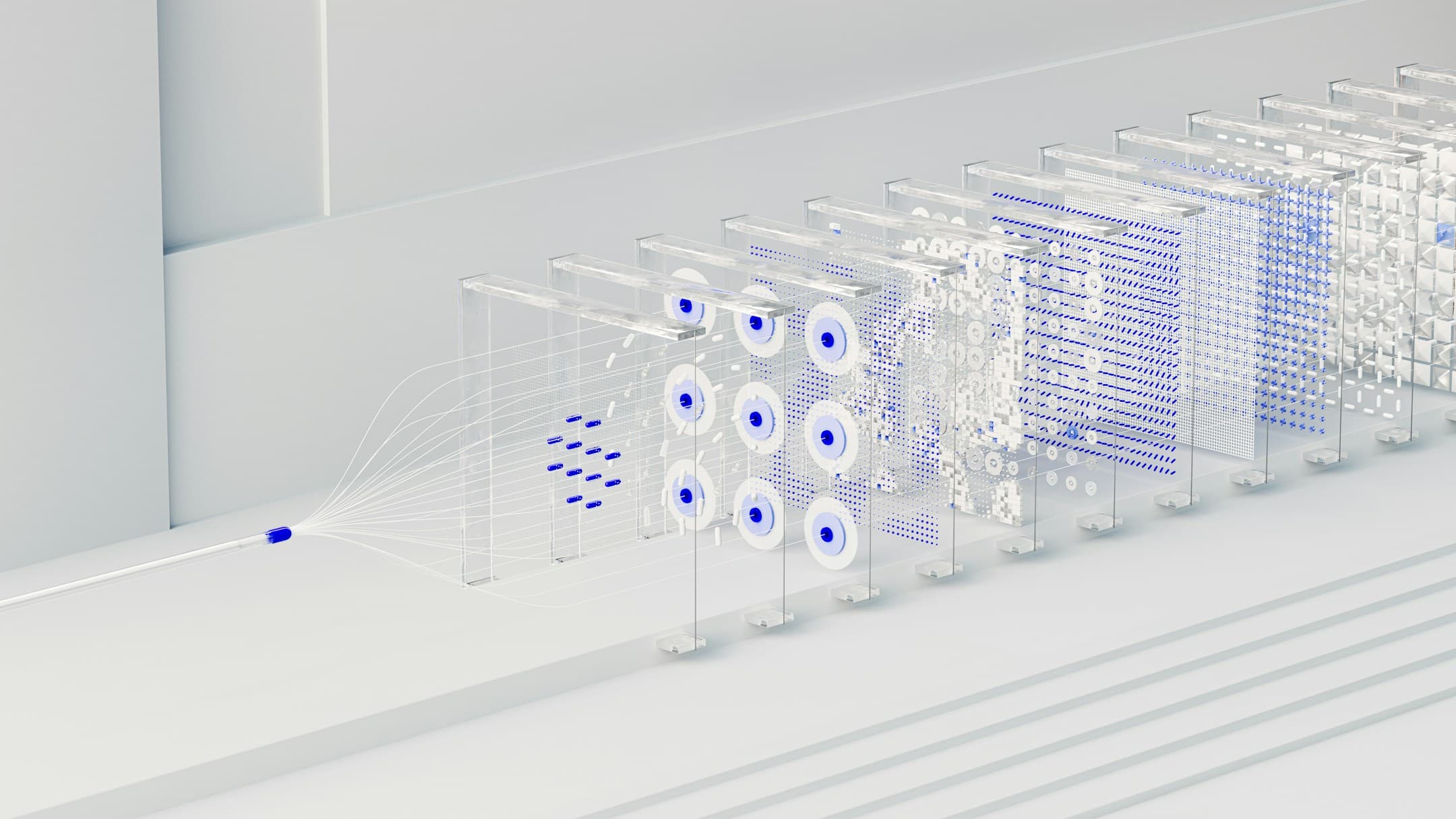
Technical Considerations and Challenges
Implementing Edge AI requires optimizing models for resource-constrained devices. Techniques like model quantization, pruning, and knowledge distillation reduce model size and computational requirements while maintaining accuracy. Specialized hardware like neural processing units (NPUs) and tensor processing units (TPUs) accelerate Edge AI inference.
Power consumption is a critical consideration for battery-powered devices. Edge AI systems must balance performance with energy efficiency, often using adaptive processing that adjusts computational intensity based on available power and task urgency.
The Future of Edge AI
As 5G networks expand and edge computing infrastructure matures, Edge AI capabilities will continue to grow. We're seeing emergence of federated learning, where edge devices collaboratively train AI models while keeping data local, combining the benefits of distributed learning with privacy preservation.
Organizations adopting Edge AI now are positioning themselves for the future of distributed intelligence. The technology enables new applications in smart homes, industrial IoT, and mobile computing that were previously impossible due to latency or privacy constraints.